The Tech Canon
This is a list of books that are considered to be the best in technology. It's a reproduction of the list on this site: The Silicon Valley Canon.

Christopher Alexander, 1977
Christopher Alexander's architectural guide that presents 253 patterns for designing human-centered spaces. This work directly inspired the software design patterns movement and influenced object-oriented programming and software architecture.
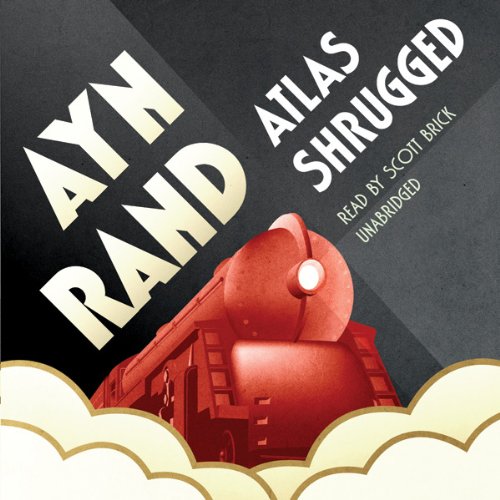
Ayn Rand, 1957
Ayn Rand's philosophical novel about industrialists and innovators who go on strike against a collectivist society. The book presents Objectivism and has influenced many entrepreneurs and tech leaders with its celebration of individualism and innovation.

Michael Hiltzik, 1999
Michael Hiltzik's history of Xerox PARC, the research lab that invented the personal computer, graphical user interface, and Ethernet but failed to commercialize them. The book is a cautionary tale about innovation, execution, and the gap between research and product.

Ashlee Vance, 2017
Ashlee Vance's biography of Elon Musk, covering his journey from South Africa to building Tesla, SpaceX, and other companies. The book provides insights into Musk's approach to engineering, risk-taking, and building transformative companies.

Orson Scott Card, 1977
Orson Scott Card's science fiction novel about child prodigy Ender Wiggin, trained through increasingly complex war games to save humanity. The book explores strategy, leadership, and the moral complexities of warfare, resonating with many in tech and gaming.
Paul Graham, 1998 - 2024
Paul Graham's influential essays on startups, programming, and technology, written from his experience as a programmer, Y Combinator founder, and startup investor. The essays have shaped thinking about entrepreneurship, product development, and startup culture.

James Carse, 1986
James Carse's philosophical work distinguishing between finite games (played to win) and infinite games (played to keep playing). The book has influenced thinking about business strategy, product development, and long-term thinking in technology.
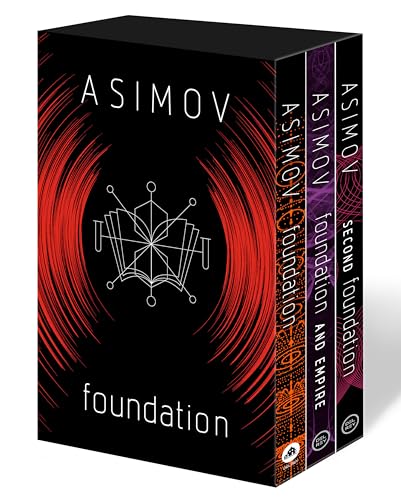
Isaac Asimov, 1951
Isaac Asimov's groundbreaking science fiction epic about psychohistorian Hari Seldon and his plan to preserve knowledge during the collapse of a galactic empire. This foundational work explores themes of prediction, social engineering, and the long-term preservation of civilization.

Jessica Livingston, 2008
Jessica Livingston's collection of interviews with startup founders including Steve Wozniak, Caterina Fake, and Max Levchin. The book provides firsthand accounts of how successful tech companies were built from the ground up.

Douglas Hoftstader, 1979
Douglas Hofstadter's Pulitzer Prize-winning exploration of consciousness, intelligence, and self-reference through the work of mathematician Kurt Gödel, artist M.C. Escher, and composer Johann Sebastian Bach. The book examines recursive structures and has influenced computer science and artificial intelligence.
Eliezer Yudkowsky et al., 2009 - 2024
Eliezer Yudkowsky's rationality community and blog focused on improving human reasoning, Bayesian thinking, and understanding cognitive biases. The site has influenced thinking about decision-making, AI safety, and effective altruism in tech circles.

Tyler Cowen, 2003 - 2023
Tyler Cowen's influential economics blog that applies economic thinking to technology, culture, and innovation. The blog has shaped discourse on markets, productivity, and the intersection of economics and technology.

David Kushner, 2003
David Kushner's account of id Software founders John Carmack and John Romero, who revolutionized video games with Doom and Quake. The book captures the hacker ethos, technical innovation, and business dynamics of early game development.

Seymour Papert, 1980
Seymour Papert's influential work on constructionist learning and the Logo programming language. The book argues that children learn best by building things and has profoundly influenced computer science education and the maker movement.
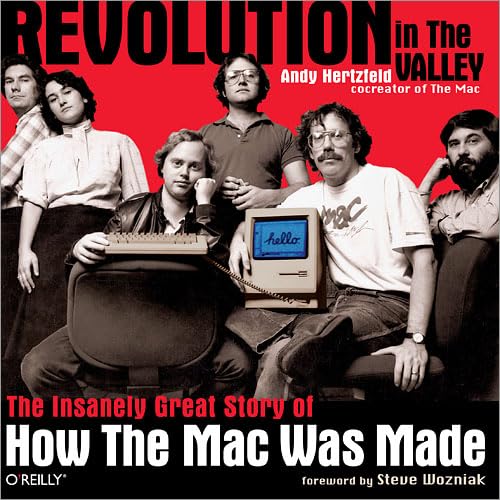
Andy Herztfeld, 2011
Andy Hertzfeld's firsthand account of developing the original Macintosh computer at Apple. The book provides an insider's view of the engineering challenges, design decisions, and team dynamics that created a revolutionary product.
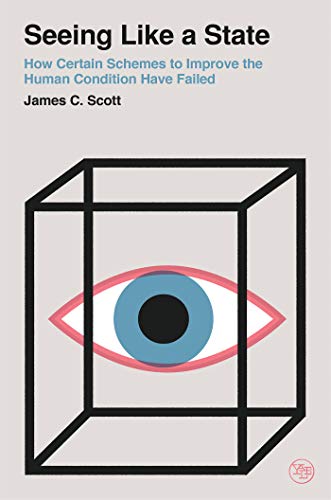
James C. Scott, 1998
James C. Scott's analysis of how states attempt to make societies legible through standardization and simplification, often with disastrous results. The book has influenced thinking about design, systems thinking, and the limits of top-down planning in technology.
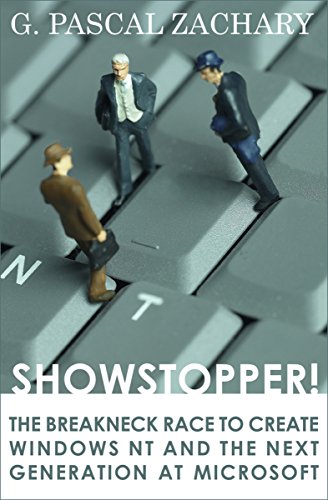
G. Pascal Zachary, 2014
G. Pascal Zachary's account of the development of Windows NT at Microsoft, focusing on the engineering challenges and team dynamics. The book provides insights into large-scale software development and the culture of Microsoft in the 1990s.

Ben Rich, 1996
Ben Rich's memoir of Lockheed's legendary Skunk Works division, which developed breakthrough aircraft like the U-2 and SR-71 Blackbird. The book reveals principles of rapid innovation, small teams, and engineering excellence that have influenced tech companies.
Scott Alexander, 2013 - 2024
Scott Alexander's influential blog covering rationality, medicine, psychology, and social science. The blog has shaped discourse on effective altruism, AI safety, and evidence-based thinking in tech and intellectual communities.
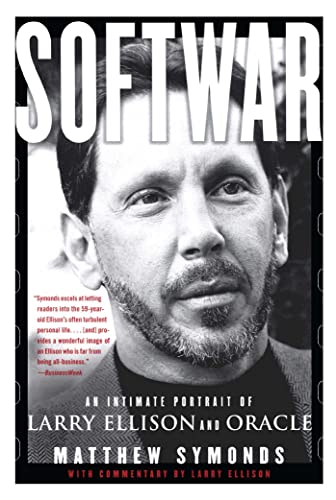
John Symonds, 2003
John Symonds' history of the software industry, chronicling the development of programming languages, operating systems, and software companies. The book provides context for understanding how software became a dominant industry.

Harold Ableson and Sussman, 1984
Harold Abelson and Gerald Jay Sussman's classic MIT textbook on computer science fundamentals, known as 'SICP' or 'the wizard book.' Using Scheme, it teaches programming as a way of thinking about computation, abstraction, and problem-solving.

Nick Bostrom, 2014
Nick Bostrom's analysis of the potential risks and challenges of artificial general intelligence. The book examines the control problem, alignment challenges, and the existential risks posed by superintelligent AI, influencing the AI safety movement.
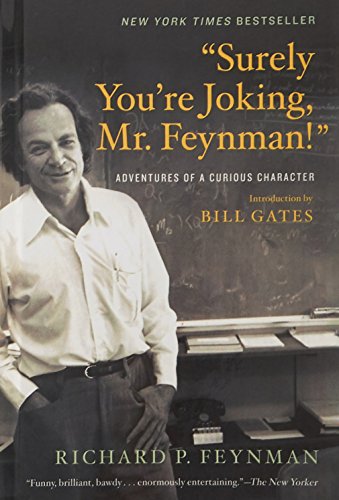
Richard Feynman, 1985
Richard Feynman's entertaining memoir of his adventures in physics, safecracking, and life. The book captures Feynman's curiosity, playful approach to problem-solving, and deep understanding of how things work, inspiring countless scientists and engineers.
Shoshana Zuboff, 2019
Shoshana Zuboff's analysis of how tech companies extract and monetize personal data, fundamentally altering the relationship between capitalism and human experience. The book examines the economic logic and social implications of surveillance capitalism.
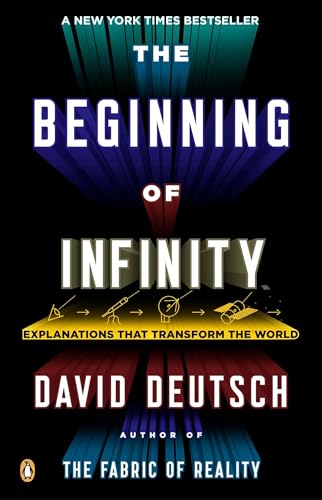
David Deutsch, 2012
David Deutsch's exploration of progress, knowledge, and the infinite potential of human understanding. The book argues for optimism about the future and the power of good explanations, influencing thinking about science, technology, and human potential.
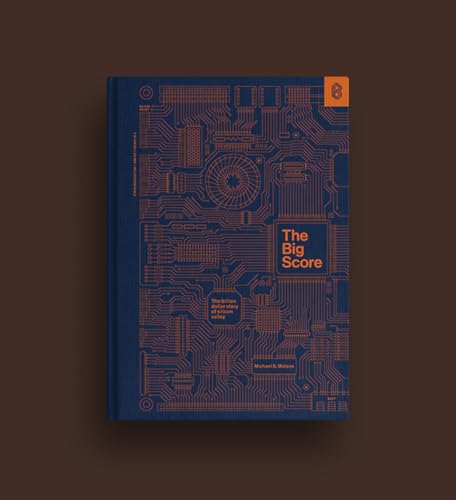
Michael Malone, 1985
Michael Malone's chronicle of the rise of Silicon Valley, from its origins in semiconductor manufacturing to the personal computer revolution. The book captures the culture, personalities, and business dynamics that shaped the tech industry.

Eric Raymond, 1999
Eric Raymond's influential essay collection that contrasts the cathedral model of software development with the bazaar model of open source. The work helped popularize open source software and introduced concepts like 'release early, release often' and 'given enough eyeballs, all bugs are shallow.'
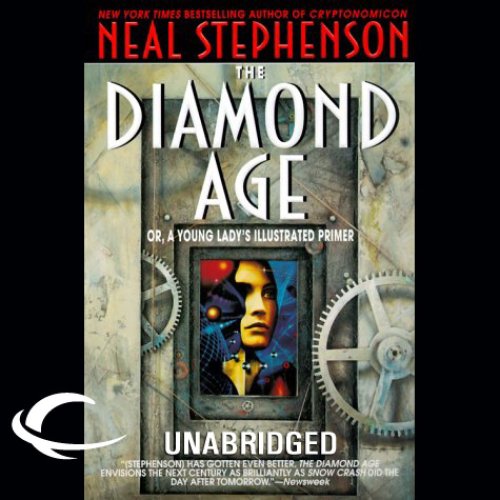
Neal Stephenson, 1995
Neal Stephenson's science fiction novel set in a future where nanotechnology and 3D printing have transformed society. The book explores themes of education, technology, and social stratification, featuring an interactive book that adapts to its reader.
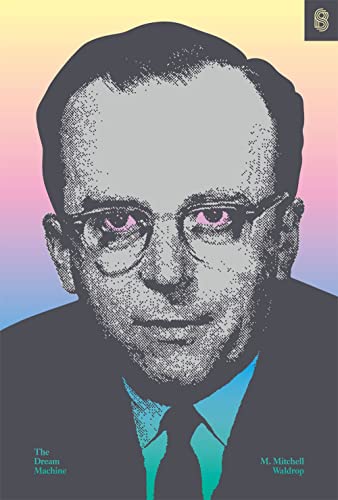
M. Mitchell Waldrop, 2001
M. Mitchell Waldrop's biography of J.C.R. Licklider and the origins of personal computing and the internet. The book traces the development of interactive computing from its theoretical foundations to the ARPANET and beyond.

Ben Horowitz, 2014
Ben Horowitz's candid guide to the difficult decisions and challenges of running a startup, based on his experience as a CEO and venture capitalist. The book addresses the realities of management, crisis handling, and leadership when there's no playbook.
Eric Reis, 2011
Eric Ries' methodology for building startups through validated learning, rapid iteration, and the build-measure-learn loop. The book popularized concepts like minimum viable products (MVPs) and pivot, becoming foundational to modern startup culture.

Richard Rhodes, 1985
Richard Rhodes' Pulitzer Prize-winning history of the Manhattan Project and the development of nuclear weapons. The book provides a comprehensive account of the scientific, political, and human dimensions of one of history's most consequential technological projects.

Frederick Brooks, 1975
Frederick Brooks' classic work on software engineering management, based on his experience managing IBM's OS/360 development. The book introduces the famous Brooks' Law: 'Adding manpower to a late software project makes it later.'
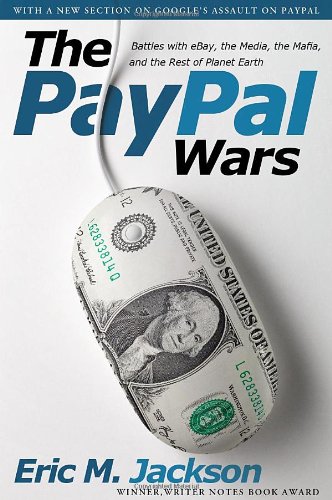
Eric Jackson, 2012
Eric Jackson's account of PayPal's early years, including its battles with competitors and eventual sale to eBay. The book provides insights into startup strategy, network effects, and the PayPal Mafia's subsequent influence on Silicon Valley.

Robert Caro, 1975
Robert Caro's Pulitzer Prize-winning biography of Robert Moses, the master builder who shaped modern New York. The book is a masterclass in understanding how power works and how infrastructure decisions affect society for generations.
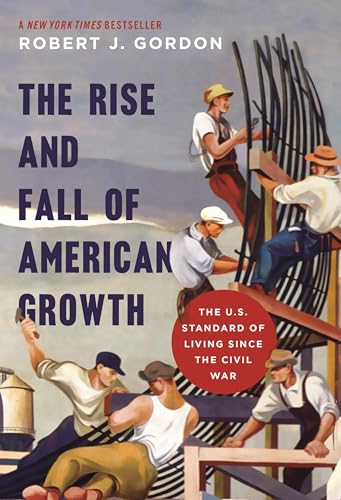
Robert Gordon, 2016
Robert Gordon's economic history arguing that the period from 1870 to 1970 saw unprecedented growth that may never be repeated. The book examines the impact of major innovations and questions whether recent technological advances will drive similar productivity gains.

Edmund Morris, 2001
Edmund Morris' Pulitzer Prize-winning first volume of his Theodore Roosevelt biography, covering his life up to becoming president. The book is admired for its narrative power and insights into leadership, ambition, and character development.

Richard Dawkins, 1976
Richard Dawkins' influential work that popularizes the gene-centered view of evolution. The book introduces the concept of memes and has influenced thinking about information, replication, and evolution in both biology and technology.
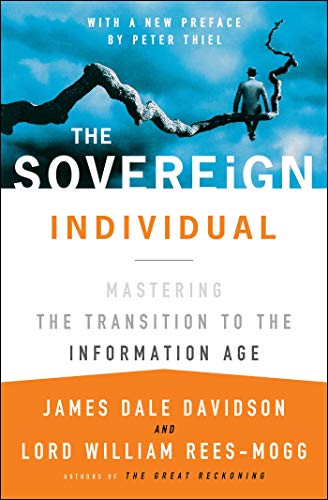
James Dale Davidson and Rees-Mogg, 1999
James Dale Davidson and William Rees-Mogg's prediction of how information technology would enable individuals to escape traditional nation-state control. The book anticipated cryptocurrency, remote work, and the shift toward digital sovereignty.
Tom Wolfe, 1983
Tom Wolfe's Esquire article profiling Robert Noyce, co-inventor of the integrated circuit and co-founder of Intel and Fairchild Semiconductor. The piece captures the culture of Silicon Valley's early days and the spirit of innovation that defined the semiconductor industry.

Stewart Brand, 1968 - 1972
Stewart Brand's counterculture publication that provided tools and information for self-sufficiency and creative living. The catalog's motto 'Stay Hungry. Stay Foolish.' and its emphasis on access to tools influenced the early personal computing movement.

Donella Meadows, 2008
Donella Meadows' primer on systems thinking, explaining how to understand complex systems, feedback loops, and leverage points. The book has influenced product design, organizational thinking, and approaches to solving complex problems in technology.

Ron Chernow, 2004
Ron Chernow's comprehensive biography of John D. Rockefeller, the oil magnate who built Standard Oil. The book provides insights into business strategy, scale, and the dynamics of building dominant companies.

Anna Wiener, 2020
Anna Wiener's memoir of working in Silicon Valley startups, offering a critical and personal perspective on tech culture, venture capital, and the industry's impact on society. The book captures the contradictions and complexities of the modern tech industry.
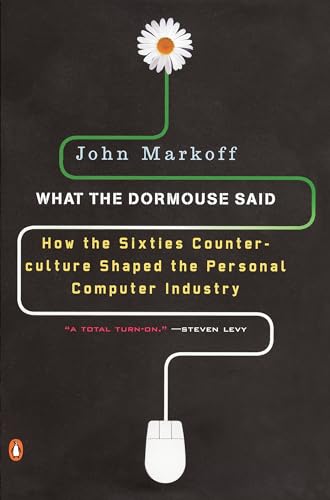
John Markoff, 2006
John Markoff's history of how 1960s counterculture influenced the personal computer revolution, connecting the dots between LSD, anti-war activism, and Silicon Valley. The book explores the cultural forces that shaped modern computing.

Robert Pirsig, 1974
Robert Pirsig's philosophical novel that explores the metaphysics of quality through a motorcycle journey across America. The book examines the relationship between technology, craftsmanship, and the pursuit of excellence, resonating deeply with engineers and makers.

Peter Thiel, 2014
Peter Thiel's guide to building startups that create new things rather than competing in existing markets. The book emphasizes the importance of monopolies, contrarian thinking, and going from zero to one rather than one to n.